River Adventures vs. Lake Days: Which Is Better for a Nature Weekend?
October 28, 2026 - Travel Guides

October 27, 2026 - Travel Guides
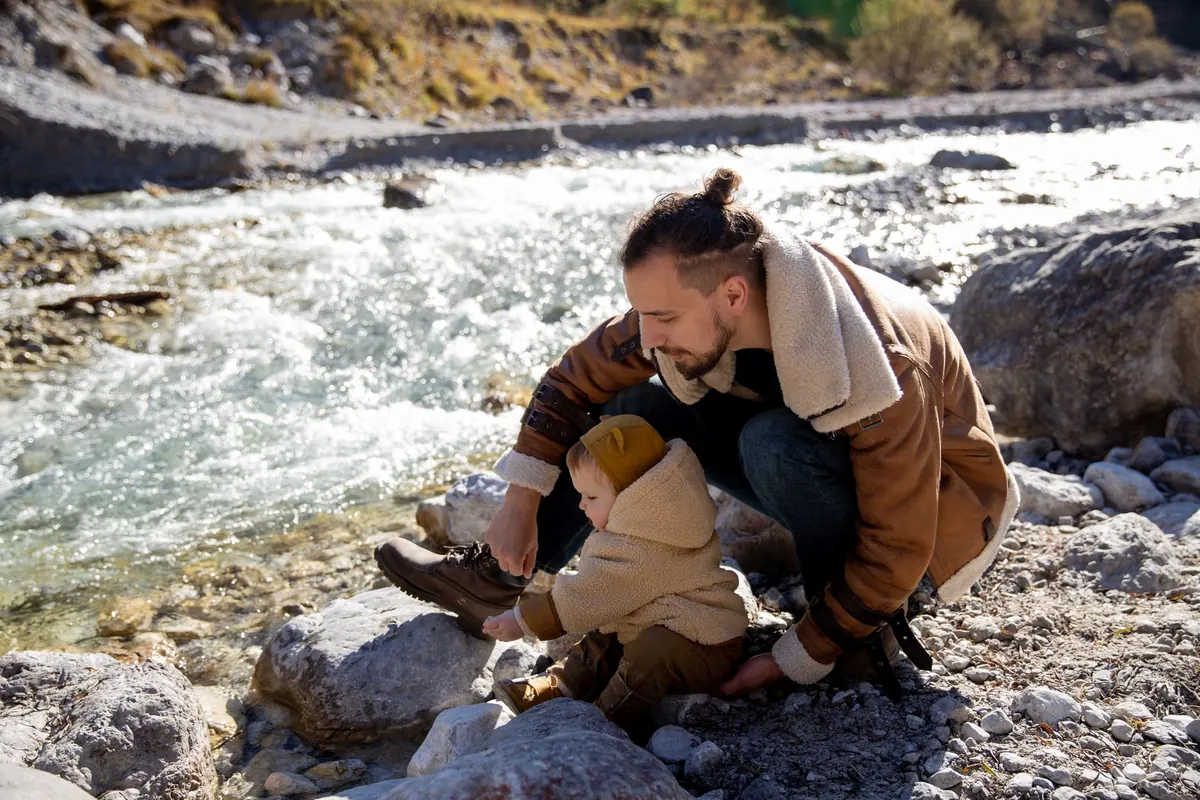
There is a particular kind of river bend worth walking an extra kilometre for: the bank flattens out, the current slows into a long green pool, and a fallen alder gives you something to hold on to. Finding one yourself, without a crowd and without a car park full of coolers, takes more effort than saving a post someone else made. It also takes more care. The best swimming holes stay good because the people who visit them arrive quietly, take little, and leave nothing behind.
What follows is how to research a spot like that: where to look, how to judge whether you are allowed to be there, and how to swim in a river without loving it to pieces.
Satellite images are seductive. They show you the exact colour of the water at eleven in the morning in July. What they rarely show is who owns the bank, whether there is a right of way, or how brutal the approach is through a blackberry thicket. Maps tell you all three.
Begin with a topographic map at 1:25,000 or 1:50,000 — whatever your national survey authority publishes. You are looking for three things at once: a stretch of river with widely spaced contour lines, meaning a gentler gradient and slower water; a public road or footpath that comes within a reasonable walk; and a bridge, ford or public reserve that gives you a legal way down to the bank. Mark a handful of candidates rather than one. Rivers change, and so do access arrangements.
Then open the aerial imagery and zoom in on your pool. Is there a faint worn path along the bank? A gap in a fence with a stile? A pull-in wide enough for one car? Those are clues about how people actually reach the water. Check the historical layers too, where they exist: a spot that looked idyllic in 2014 may now sit below a clear-fell, a new track or a fallen tree. If your country publishes river gauge data, glance at it. A river running high after three days of rain is not the same river in the photograph.
Stand on the bank and look upstream for a full minute. A pool fed by a wide, shallow riffle is usually cleaner and clearer than one sitting below a road bridge, a farmyard or a confluence with a drainage ditch. Colour tells you something. So does smell.
Then look at the surface. A smooth, glassy tongue of water curling over a weir or a rock ledge is a keeper — a recirculating current that can hold a person under. Swim well away from them, and never jump into water you cannot see the bottom of. Rivers hide strainers: branches and whole trees pinned underwater that catch anything floating past, including swimmers. They also hide the kind of step-down that turns ankle-deep water into chest-deep water in one stride. Walk in. Test the bed with each foot before you commit weight to it.
Expect cold. Rivers run colder than lakes even in August, and cold shock is real: the sharp gasp and rapid breathing that hits in the first seconds of immersion. Enter slowly, stay in the shallows until your breathing settles, and get out before you start shivering. A river is not a swimming pool — there are no lifeguards, no lane ropes and no one watching. If you are unsure about your health or the conditions, ask a local guide or instructor, or simply swim somewhere calmer.
Access is where well-meaning swimmers get it wrong. Rules vary enormously between countries and even between regions of the same country — broad open-access rights in some places, tightly defined public paths and permissive agreements in others, and plenty of riverbank that is simply private land. Do not assume that because a path exists, the bank beside it is open to you.
If the answer is no, take it as a no and move on to your second candidate. If you genuinely cannot work out the legal position, ring the local authority, the national park office or the landowner before you go. A phone call costs nothing and settles the question.
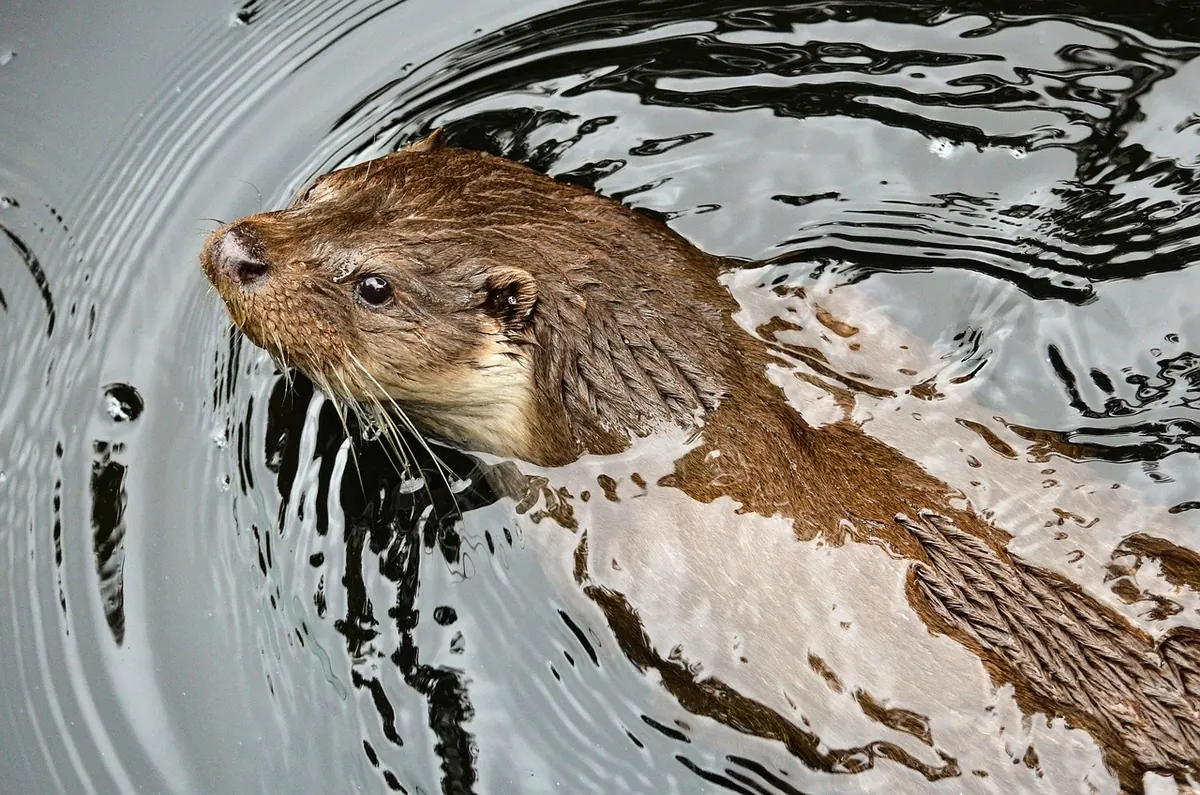
A river is not just a place to swim; it is a corridor that a great many species depend on. Sand martins and kingfishers nest in the steep earth of banks — the same banks that make a tempting entry point. Salmon and trout spawn in gravel riffles in autumn and winter, so keep out of shallow gravel beds in those months and stay out of the water entirely where redds are marked or obvious.
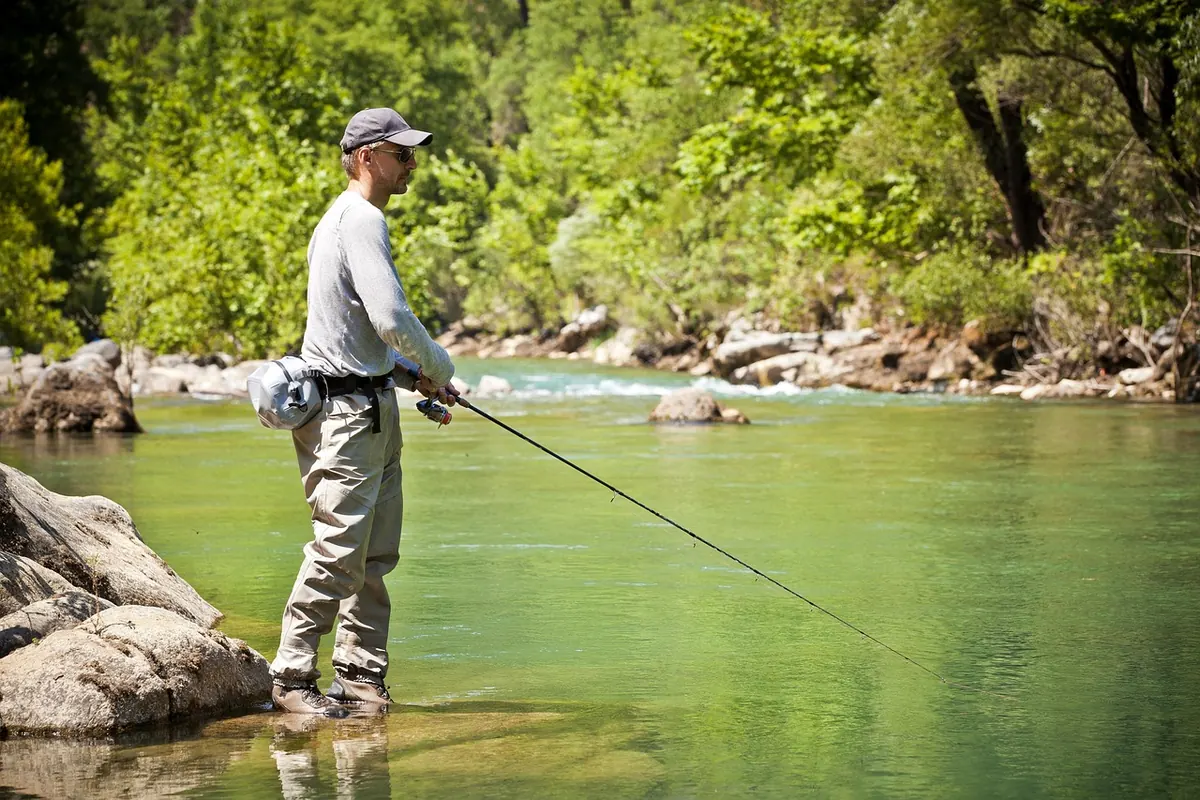
Do not move river rocks to build a seat or a dam. The underside of a stone is somebody's house, and rearranging a stream bed changes flow and habitat downstream. Do not stack cairns out of river stones. If you are fishing as well as swimming, follow local licensing rules and never move live bait or gear between catchments.
Boots, waders and inflatables can carry invasive plants and organisms from one river to the next. Check them for mud and seeds, clean them properly and let them dry completely before your next trip.
A short, well-chosen kit makes the difference between a swim and an incident.
Skip the soap, shampoo and body wash. Nothing you would not pour into a stream should go on your skin before you get into one, and that includes a heavy layer of sunscreen on your shoulders. Swim first, wash later, at home.
Half the discipline of finding hidden swimming holes is knowing when to leave one alone. If the bank is posted, if the water is high and brown, if a storm is building upstream in a catchment you cannot see, if the only way down is an eroding slope, if you are alone with no phone signal and no one expecting you — go home. The pool will be there next summer, and so will the person who owns the field around it, who will remember whether you were careful.
Before you set off on the walk in, run through a short list: permission confirmed, forecast checked for the whole catchment and not just your postcode, flow looked at, an exit point identified on both banks, someone told where you are going and when you will be back, and a plan for what happens if the weather turns. Pack out everything you brought, leave the stones where they sit, and take one last look at the bank as you climb away. If it looks as though nobody has been there, you have done it right.
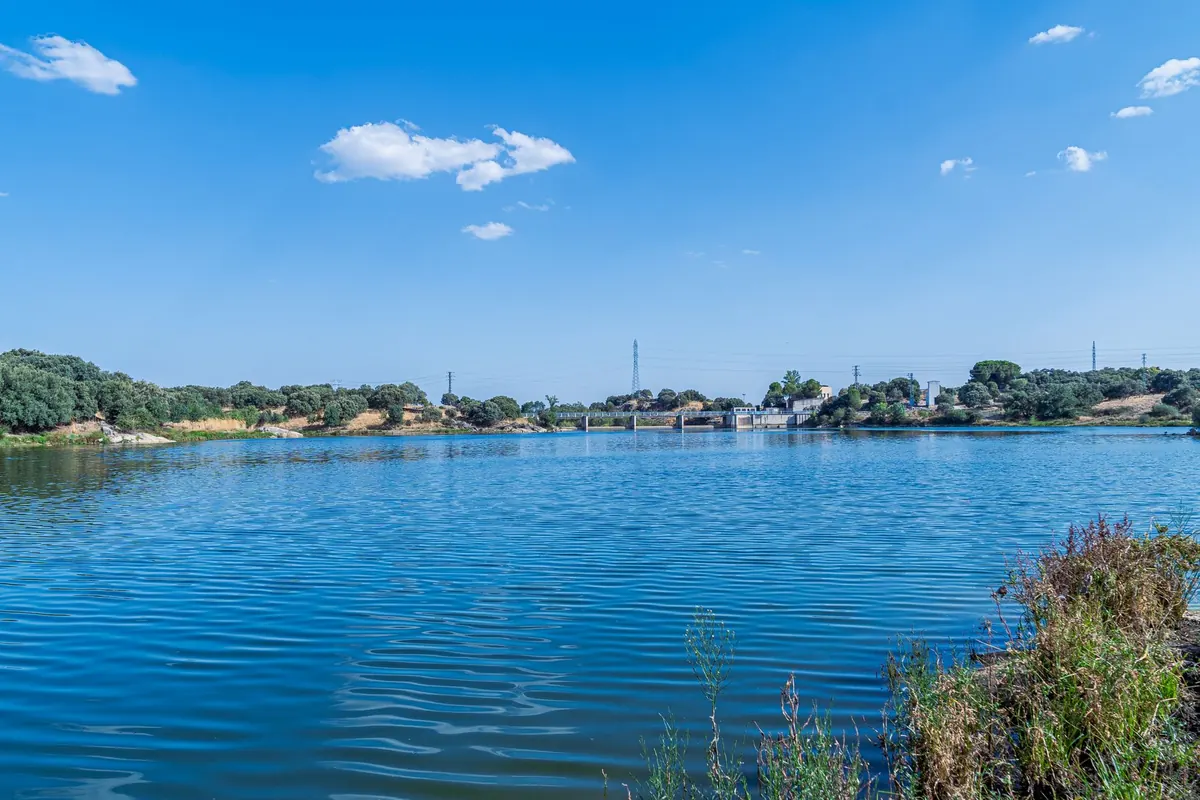
Photo: Wildfaces / Pixabay
Rivers reward curiosity and planning; lakes reward simplicity and slow mornings. Here is how access, safety, crowds...
A practical, step-by-step plan for building a three-day river itinerary that runs on trains, buses and footpaths —...
October 27, 2026 - Travel Guides
Copyright © 2026 Scrigno Del Fiume. All Right Reserved.