River Adventures vs. Lake Days: Which Is Better for a Nature Weekend?
October 28, 2026 - Travel Guides


October 27, 2026 - Travel Guides
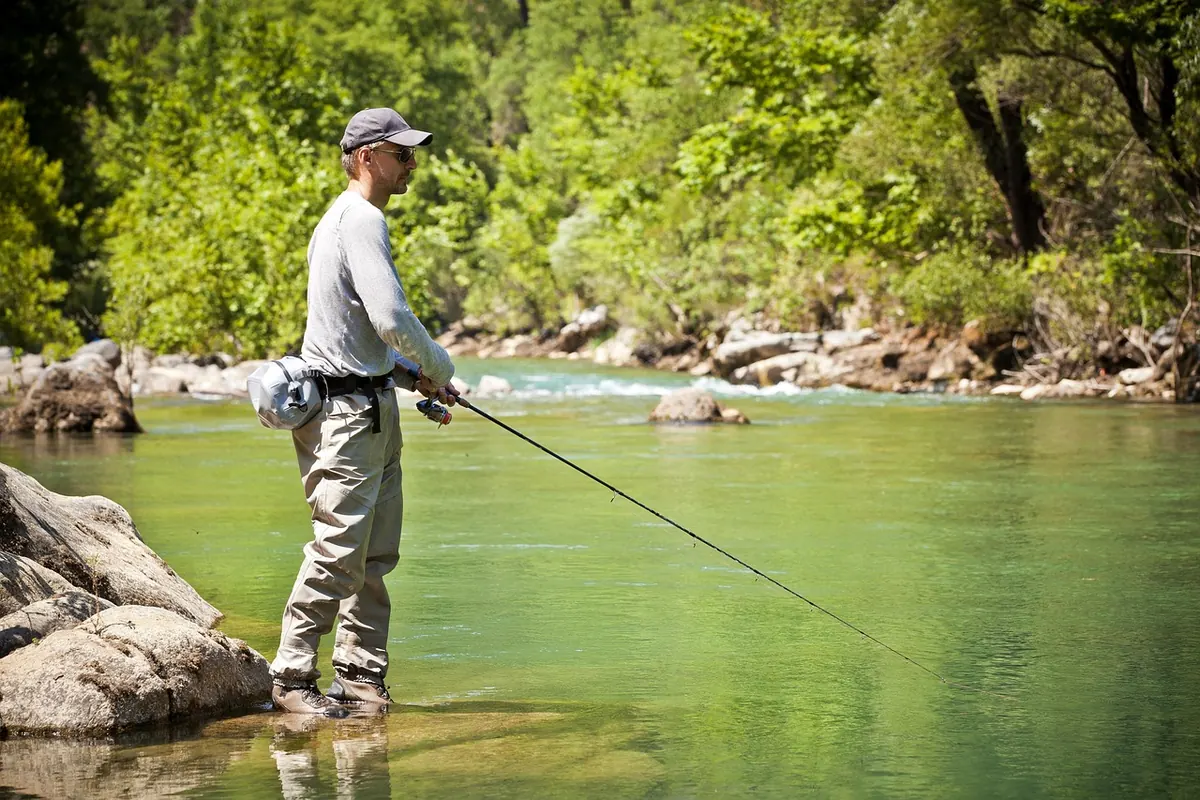
The bend you fished in May can be unrecognisable by August. In spring it runs deep and brown, pushing against the bank hard enough to make you think twice about wading. By midsummer the same riffle is ankle-deep and clear enough to count stones, and the fish that held in the current have slipped under the alder roots on the far side. Learning to fish a river well is less about memorising techniques than about noticing what the season has done to the water and adjusting to it. What follows is a practical checklist you can work through from the first mild days of spring to the last golden weeks before the cold sets in.
Before you think about rods or flies, sort out your paperwork. In most countries a rod licence is required, and it is usually issued by a national or regional fisheries authority rather than by the tackle shop. On top of that, many rivers are leased by angling clubs that sell day tickets, and some stretches are private entirely. Check both the licence and the permission to fish a specific beat; the two are often separate things.
Then look at the details that catch beginners out:
Rules change, and forum posts go stale quickly. Confirm the current position with the authority or club that issues your permit before you travel, and keep the licence or ticket on you. If you are unsure whether a stretch is legal to fish, assume it is not and ask.
Spring rivers are usually higher and colder than they look from the road, and often carrying colour from rain or snowmelt. Fish are not spread across the whole width yet. They tend to sit in the softer water near the margins, behind boulders, and in the deeper slots where they can hold without burning energy. Fish slowly, with enough weight to reach the bottom, and expect to work a smaller area properly rather than covering a long beat.
Safety deserves real attention now. Wet clay banks are treacherous, and wading in strong spring flow is a poor idea for anyone new to it. Fish from the bank where you can, carry a wading staff if you do get in, and tell someone where you are going. Check the river gauge online or look at a bridge marker before setting off, and remember that a rise of a few inches can turn a comfortable crossing into a bad decision.
By June the river has often dropped and cleared, and the fish have become wary. Your footsteps travel further through the water, bright clothing stands out, and a heavy line slapping the surface will empty a pool in seconds. Fish early and late, when light is low and the water is coolest, and spend the middle of the day walking the banks looking for fish rather than casting at them.
Scale everything down: finer tippet or lighter line, smaller hooks, a longer leader, and a careful approach from behind. In clear water you will often spot fish before you catch them, which is half the pleasure.
Warm water holds less oxygen, so a fish fought to exhaustion in July takes far longer to recover than one hooked in October. Land fish quickly with tackle strong enough for the job, keep them in the water, and skip the photograph if the fish looks tired. On very hot days, consider not fishing at all, or fish only the cooler hours of first light.
Once nights get cold, fish feed more confidently and often move out of the tight summer lies into faster, shallower runs. This is a generous season for beginners: the fish are willing, the banks are firm, and the light on the water is beautiful. It is also a season of debris. Leaves and twigs collect on your line and knot around the hook, so check the last foot of your leader after every cast or two.
Rain returns, and with it the chance of a spate. Fallen leaves can stain the water brown for days, which often means fishing bigger, darker patterns or baits that push a bit of water. Daylight shrinks quickly through October, so pack a headlamp, note the sunset time, and give yourself a margin to walk out before dark.
You do not need much, but the small items matter more than beginners expect. Build a routine so nothing gets left in the car.
If you are returning fish, the details decide whether they swim away strongly. Wet your hands before touching a fish, or better still, unhook it without lifting it from the water. Use barbless hooks where the rules allow, support the body rather than gripping it, and never squeeze or let a fish rest on dry gravel or grass. Keep it out of the water for seconds, not minutes, and hold it upright in gentle flow until it kicks away on its own.
If a fish is deeply hooked or bleeding heavily, and the rules allow you to keep one, that is often the kinder outcome. Where keeping is not permitted, cut the line close to the hook rather than tearing at it. Carry a net with soft knotless mesh, and avoid dragging fish up a steep bank on the line.
Seasons are a guide, not a script. A dry April can fish like May, and a wet August can bring the river up overnight and put the fish back on the margins. Before every trip, check the level and colour of the water, the forecast for the next two days, and the local rules for the month. Then watch the river itself: where the current slows, where the surface breaks, where shade falls. Write down what you saw and what worked, even in a few lines on your phone. Two or three seasons of those notes will teach you more about your local river than any general advice ever could.
Photo: 17332085 / Pixabay
Rivers reward curiosity and planning; lakes reward simplicity and slow mornings. Here is how access, safety, crowds...
A practical, step-by-step plan for building a three-day river itinerary that runs on trains, buses and footpaths —...
October 27, 2026 - Travel Guides
Copyright © 2026 Scrigno Del Fiume. All Right Reserved.