River Adventures vs. Lake Days: Which Is Better for a Nature Weekend?
October 28, 2026 - Travel Guides

October 27, 2026 - Travel Guides
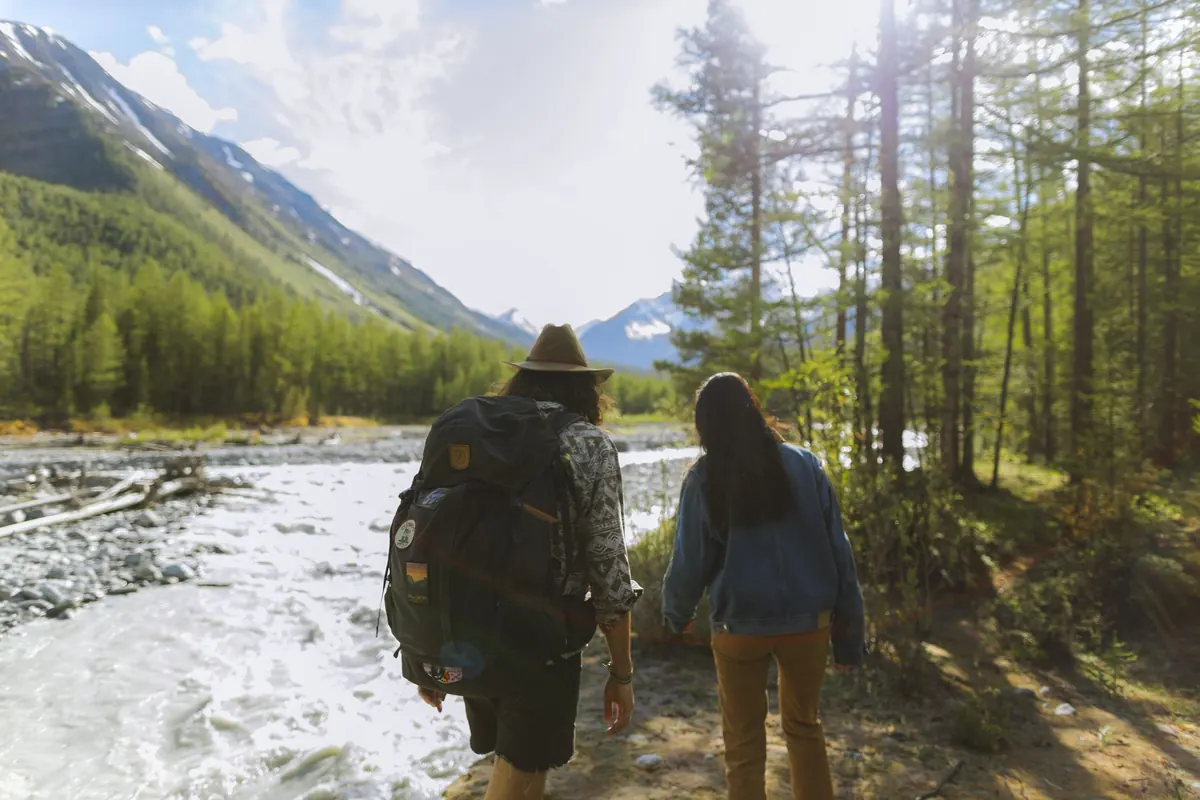
The first river hike usually goes wrong in small, unremarkable ways. You set off in heavy boots full of good intentions, and by early afternoon you're squelching along the bank with a damp phone and a nagging feeling that the trail marks stopped somewhere back there. Nothing dramatic happens. It's just a slow pile-up of decisions made without quite enough information.
The encouraging part is that nearly all of these mistakes are easy to spot in advance once you know what they look like. Here are the ones that catch first-timers most often, and what to do instead.
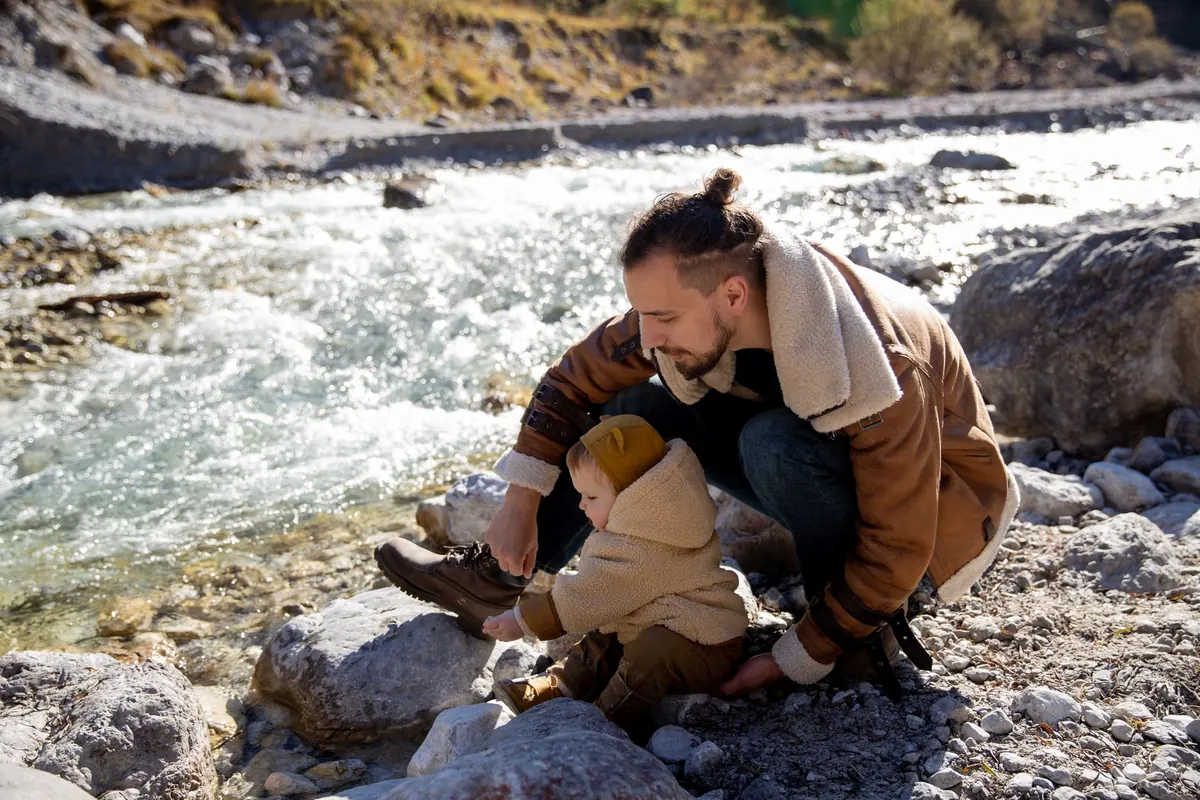
Waterproof boots feel like the obvious choice for a walk beside a river. They aren't, once the water comes over the ankle. The same membrane that keeps water out keeps it in, so a boot that fills up leaves you carrying a kilo of river on each foot for the rest of the day. On any route with even one knee-deep crossing, a shoe that drains and dries is usually the better companion.
Grip matters more than waterproofing. Worn tread is the quiet culprit: soles that look fine on dry pavement can skate across algae-covered stone. Turn your shoes over before you leave, and if the lugs are rounded smooth, pick a gentler route or different footwear.
Skip the sandals and the barefoot romance. Riverbeds are full of broken glass, sharp edges and holes that swallow an ankle. What you want is a shoe that stays on your foot, protects your toes and lets water out. Pair it with wool or synthetic socks — cotton holds water and grinds against skin — and seal one dry pair in a bag for the walk back to the car.
A storm ten kilometres upstream can swell a river hours after it passes, while the sky above your head stays blue and entirely unhelpful. Look at the forecast for the whole catchment, not just the trailhead, and ask locally about recent rain, snowmelt or scheduled dam releases. That last one is worth a phone call to the operator: a release can turn a gentle river into a serious one without any weather at all.
Check twice — the night before and again in the morning. Then set yourself a thunderstorm rule and keep it. Leave the river corridor early, stay away from lone trees on the bank and exposed rock, and don't try to outrun weather on open ground.
Marks are a conversation, not a promise. River valleys are the worst place to assume continuity: floods strip paint, banks erode and reroute paths, and a route that was obvious in spring can be a tangle of flood debris by midsummer.
Learn the local system before you start. Blazes, cairns, painted arrows, plastic ribbons — know what a proper mark looks like in that area and roughly how often to expect one. Then watch for the two classic traps:
Carry a map and download the offline version before you leave, because coverage in a steep valley is unreliable and a phone at 20 percent is not a navigation plan. Look behind you often: the way back is a different walk, and the landmark you ignored on the way out becomes the one you need on the way home. If the marks disappear, don't push on hoping. Return to the last mark you're certain of and reassess from there.
River crossings deserve far more respect than most first-timers give them. Current is deceptive, and shin-deep water moving quickly is enough to take your feet out from under you. Cold water also drains strength fast. Depth and speed together decide whether a crossing is reasonable — and if you're unsure, the answer is no.
Before you step in:
Then cross facing upstream, shuffling your feet rather than stepping, and work diagonally downstream so the current helps push you toward your exit. A stick or trekking pole gives you a third point of contact. Cross one at a time, and never just above a rapid or immediately upstream of a fallen tree — a strainer lets water pass and holds anything solid against it. If the water is above your knee and moving, turn around. The crossing will still be there next weekend.
Most first river hikes run long, and the reason is nearly always the turnaround. People turn back when they reach a destination, or when they feel tired, or when the light starts looking interesting. All three are too late.
Choose a fixed turnaround time before you set off — say it out loud, write it down, share it with whoever is expecting you — and honour it even if the waterfall is "just around the bend". It usually isn't. River terrain is slow: boulder hops, mud, small crossings, sections where the path hugs the water and you move at half your normal pace. The return leg often takes as long as the outward one, and longer once legs are tired. Valleys lose light early too, well before official sunset.
A simple habit is to turn around at half your available daylight, or half your energy, whichever arrives first. Most accidents happen on the way back, when attention slips and the interesting part of the day is already behind you.
None of this needs expensive gear or a course. It needs five minutes of attention at the start, when you're still dry and unhurried. Run through the short version: shoes that drain and grip, forecast checked for the catchment, offline map downloaded, turnaround time agreed, pack buckled loose for crossings, dry layer and headlamp packed, and someone at home expecting a message.
Then go and enjoy it. A good river hike is rarely the one with the most drama — it's the one where the crossing was unremarkable, the markings were where you expected them, and you were back at the car with light to spare and dry socks waiting.
Photo: Yaroslav Shuraev / Pexels
Rivers reward curiosity and planning; lakes reward simplicity and slow mornings. Here is how access, safety, crowds...
A practical, step-by-step plan for building a three-day river itinerary that runs on trains, buses and footpaths —...
October 27, 2026 - Travel Guides
Copyright © 2026 Scrigno Del Fiume. All Right Reserved.